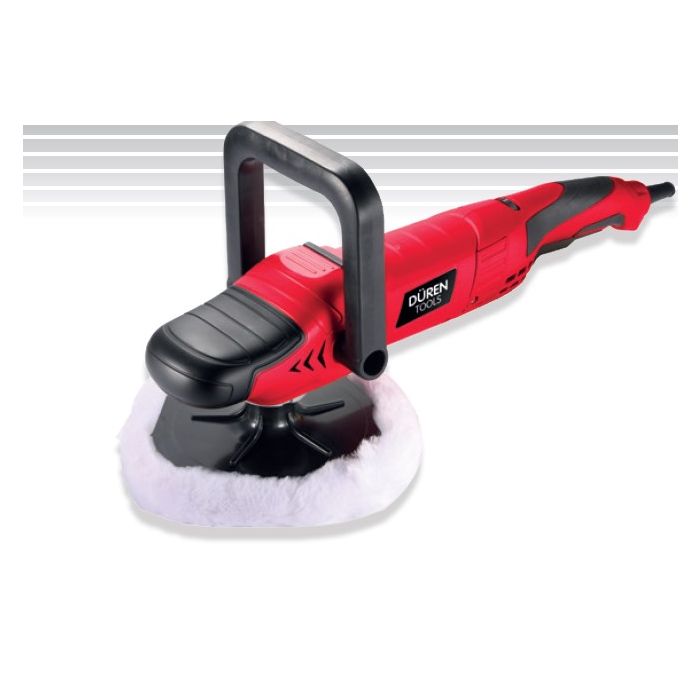
| Why use a Variable Speed Electrical Polisher |
| |
| 1. Full Control Over Polishing Speed |
| |
| Variable speed allows you to precisely adjust the polisher's speed to match the task — from slow, gentle polishing to faster, more aggressive material removal — giving you perfect control for any surface. |
| |
| 2. Safer on Delicate Surfaces |
| |
| Lower speeds reduce the risk of burning paint, damaging clear coat, or overheating sensitive materials like plastics, composites, or soft metals. |
| |
| 3. Versatile for Multiple Tasks |
| |
| You can polish, buff, wax, sand, and even correct paint defects like swirl marks and scratches, all with the same tool, simply by adjusting the speed and pad type. |
| |
| 4. Achieves Professional-Grade Finishes |
| |
| Whether you're detailing a car, finishing a countertop, or polishing a boat, variable speed ensures you get a smooth, even, mirror-like finish without streaks or uneven spots. |
| |
| 5. Reduces Risk of Overheating |
| |
| Running at lower speeds prevents excess friction and heat buildup, which can cause surface damage or make working uncomfortable during extended sessions. |
| |
| 6. Better Adaptability to Different Compounds and Pads |
| |
| Some polishing compounds require slower speeds to work properly, while others need faster speeds for cutting action — variable speed lets you match your settings perfectly to your materials and tools. |
| |
| 7. Increases Tool Life and Efficiency |
| |
| Using just the right speed for each task puts less strain on the motor and reduces wear on pads, saving money and extending the life of your polisher. |
| |
| |
| |
| |
| The benefits of using a Variable Speed Electrical Polisher |
| |
| 1. Precision Control |
| |
| Variable speed settings let you fine-tune the polisher's performance, making it easy to adapt to different materials, surfaces, and tasks — from heavy cutting to fine finishing. |
| |
| 2. Safer on Sensitive Surfaces |
| |
| Lower speeds help prevent damage like burning, swirl marks, or material overheating, especially on delicate finishes like automotive clear coats, wood varnishes, or plastics. |
| |
| 3. Versatility Across Jobs |
| |
| With just one tool, you can perform multiple tasks — compounding, polishing, buffing, waxing, and sanding — simply by adjusting the speed and changing pads or attachments. |
| |
| 4. Higher Quality Finishes |
| |
| The ability to slow down for polishing or speed up for cutting leads to smoother, shinier, and more professional-looking results without visible imperfections. |
| |
| 5. Reduces Material Waste and Rework |
| |
| Better control means less chance of damaging surfaces, leading to fewer mistakes, less rework, and lower material costs. |
| |
| 6. Compatible with Various Pads and Compounds |
| |
| Variable speed allows you to match the tool’s performance to the specific requirements of polishing compounds, cutting agents, and pads for optimal results. |
| |
| 7. Increases Comfort and Reduces Fatigue |
| |
| Controlling the speed helps prevent excessive vibration and heat, making the tool easier to handle for long periods, improving overall working comfort. |
| |
| 8. Prolongs Tool and Accessory Life |
| |
| Running the polisher at the appropriate speed for each task reduces strain on the motor and wear on pads and discs, extending the life of both. |
| |
| 9. Essential for Professional Detailing and Finishing Work |
| |
| In automotive, marine, woodworking, and construction industries, variable speed polishers are a go-to for achieving showroom-quality finishes. |
| |
| |
| Uses and applications of a Variable Speed Polisher |
| |
| Uses of a Variable Speed Polisher: |
| |
| Paint Correction: Removes swirl marks, scratches, oxidation, and other imperfections from automotive paint surfaces. |
| |
| Buffing and Polishing: Brings out a deep shine on cars, boats, motorcycles, countertops, and other surfaces. |
| |
| Wax and Sealant Application: Spreads waxes and sealants evenly over surfaces for protection and shine. |
| |
| Surface Restoration: Revives dulled or faded materials like gel coats, plastics, and metals. |
| |
| Headlight Restoration: Sands and polishes cloudy or yellowed headlights back to clarity. |
| |
| Scratch Removal: Polishes out minor scratches on clear coats, metal panels, or plastic parts. |
| |
| Sanding: With the right attachment, can be used for sanding tasks before repainting or refinishing surfaces. |
| |
| Stone and Marble Polishing: Polishes granite, marble, and stone countertops to a mirror finish. |
| |
| |
| Applications of a Variable Speed Polisher: |
| |
| Automotive Detailing: |
| |
| |
| |
| Paint correction and finishing. |
| |
| Buffing waxes and ceramic coatings into car paint. |
| |
| Headlight lens restoration. |
| |
| Marine Industry: |
| |
| |
| |
| Polishing boat hulls, gel coat surfaces, and stainless-steel fittings. |
| |
| Restoring faded fiberglass. |
| |
| Woodworking: |
| |
| |
| |
| Polishing varnished wood surfaces. |
| |
| Smoothing and finishing wooden furniture and cabinetry. |
| |
| Home Improvement: |
| |
| |
| |
| Polishing stone or marble countertops. |
| |
| Reviving metal fixtures and appliances. |
| |
| Metal Fabrication: |
| |
| |
| |
| Polishing aluminum, stainless steel, or chrome parts. |
| |
| Removing oxidation and achieving a mirror-like finish on metals. |
| |
| Motorcycle and Aircraft Detailing: |
| |
| |
| |
| Restoring and polishing painted surfaces and composite parts. |