|
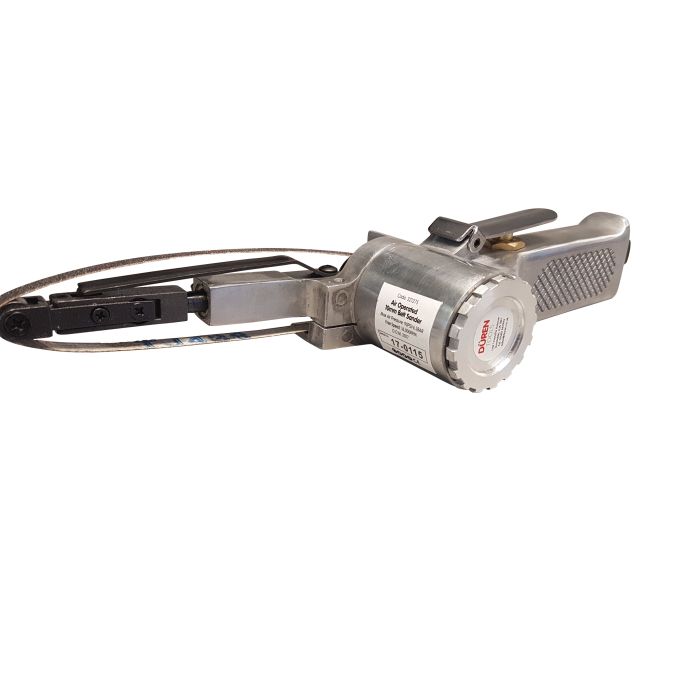
Why use an Air Belt Sander
|
| |
|
1. Precision Sanding in Tight Spaces
|
| |
|
An air belt sander has a small, narrow sanding belt that can fit into areas other tools can’t reach — like inside corners, seams, edges, or between tight components.
|
| |
|
2. Lightweight and Easy to Handle
|
| |
|
Because it’s pneumatic (air-powered), it’s lighter than most electric sanders, reducing user fatigue and making it easier to control during long sanding sessions or overhead work.
|
| |
|
3. Powerful and Consistent Performance
|
| |
|
Air belt sanders deliver strong, consistent sanding power without the overheating issues common in electric models — perfect for heavy-duty or continuous jobs.
|
| |
|
4. Versatile Surface Preparation
|
| |
|
They can be used for smoothing welds, deburring metal, blending surfaces, removing paint, prepping parts for coating, or even working on wood and composites.
|
| |
|
5. Adjustable Speed for Different Materials
|
| |
|
Most air belt sanders allow you to control the speed easily, letting you adapt to different materials like aluminum, steel, wood, fiberglass, or plastics without damaging the surface.
|
| |
|
6. Ideal for Automotive, Metalworking, and Fabrication
|
| |
|
They are heavily used in industries like auto body repair (for smoothing welds and bodywork), metal fabrication (for finishing edges and welds), and woodworking (for fine detail sanding).
|
| |
|
7. Safer in Explosive or Wet Environments
|
| |
|
Because there are no electrical sparks, air tools (like air belt sanders) are safer to use in environments where flammable materials, vapors, or moisture are present.
|
| |
| |
|
The benefits of using an Air Belt Sander
|
| |
|
1. Excellent Access to Tight Spaces
|
| |
|
The narrow sanding belt allows you to work in confined or hard-to-reach areas — ideal for seams, inside corners, and detailed edges.
|
| |
|
2. Lightweight and Ergonomic
|
| |
|
Being air-powered, it’s much lighter than electric sanders, which reduces hand fatigue and allows for better precision and control, especially during long jobs.
|
| |
|
3. Powerful and Consistent Performance
|
| |
|
Air belt sanders provide steady, strong performance without overheating, making them perfect for demanding industrial, automotive, or fabrication work.
|
| |
|
4. Fast Material Removal
|
| |
|
They are highly efficient at removing welds, rust, paint, and burrs quickly, saving time compared to hand sanding or larger, less precise tools.
|
| |
|
5. Smooth Surface Finishing
|
| |
|
They deliver a uniform, smooth finish on metals, woods, plastics, and composites, making them great for both rough material removal and fine surface prep.
|
| |
|
6. Adjustable Speed and Control
|
| |
|
Most models allow fine control over belt speed, so you can tailor the performance to different materials without causing surface damage.
|
| |
|
7. Safer for Hazardous Environments
|
| |
|
Since they don't produce sparks like electric tools, air belt sanders are safer to use in flammable or wet environments (like marine or chemical industries).
|
| |
|
8. Durable and Low Maintenance
|
| |
|
Pneumatic tools generally have fewer moving parts than electric versions, meaning they last longer under heavy use and require less maintenance.
|
| |
| |
| |
|
Uses and applications of an Air Belt Sander
|
| |
|
Uses of an Air Belt Sander:
|
| |
|
Weld Blending: Smooths down welded joints for a clean, professional finish.
|
| |
|
Deburring: Removes sharp edges and burrs from cut metal or fabricated parts.
|
| |
|
Rust and Paint Removal: Strips away corrosion, old paint, or coatings quickly and cleanly.
|
| |
|
Surface Preparation: Prepares surfaces before painting, coating, or bonding by creating a smooth, even texture.
|
| |
|
Edge Shaping and Finishing: Shapes and smooths metal or wood edges with precision.
|